Caring for Your Flemish Giant: Tips for Success
- ayoung62015
- May 19
- 3 min read
Flemish Giants are not just any rabbits; they are gentle giants that can weigh up to 14 pounds or more. Their friendly demeanor and impressive size make them a popular choice for pet lovers. However, caring for a Flemish Giant requires specific knowledge and commitment. This guide will provide you with essential tips to ensure your giant rabbit thrives in your home.

Understanding the Flemish Giant
History and Origin
The Flemish Giant rabbit originated in Belgium in the 16th century. Initially bred for meat and fur, they have since become beloved pets due to their docile nature and striking appearance. Their large size and friendly temperament make them suitable for families and individuals alike.
Physical Characteristics
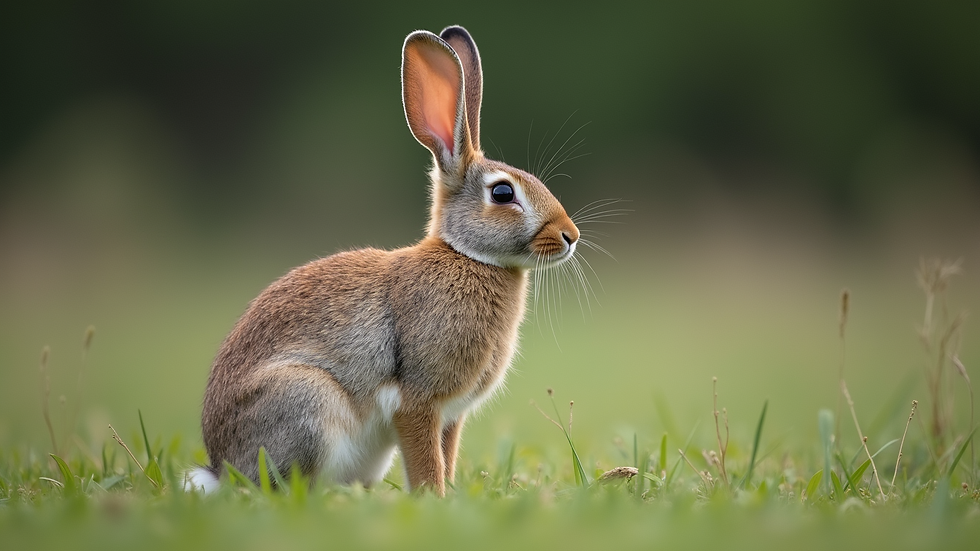
Flemish Giants are known for their impressive size, with some individuals reaching lengths of over 2.5 feet. They have a robust build, large ears, and a variety of coat colors, including gray, black, and fawn. Their gentle eyes and soft fur make them incredibly appealing.
Creating a Comfortable Living Space
Housing Requirements
Flemish Giants need ample space to move around. A large rabbit hutch or a dedicated room is ideal. Here are some key points to consider:
Size: The hutch should be at least 4 feet long, 2 feet wide, and 2 feet high. However, bigger is always better.
Ventilation: Ensure the hutch is well-ventilated to prevent overheating.
Bedding: Use soft bedding materials like hay or straw to keep them comfortable.
Indoor vs. Outdoor Living
While some owners choose to keep their Flemish Giants indoors, others prefer outdoor living. Here are some considerations for both:
Indoor Living: Provides protection from predators and harsh weather. Ensure they have a safe area to roam.
Outdoor Living: Allows for natural behaviors but requires secure fencing to prevent escapes.
Nutrition and Diet
Essential Nutrients
A balanced diet is crucial for the health of your Flemish Giant. Their diet should consist of:
Hay: Unlimited access to fresh hay is essential for digestion.
Pellets: High-quality rabbit pellets should be given in moderation.
Fresh Vegetables: Leafy greens like romaine lettuce, kale, and cilantro are excellent choices.
Foods to Avoid
Certain foods can be harmful to your rabbit. Avoid:
Fruits: Limit fruits due to high sugar content.
Processed Foods: Never feed your rabbit human snacks or junk food.
Health Care and Grooming
Regular Vet Check-ups
Routine veterinary care is essential for your Flemish Giant. Schedule annual check-ups to monitor their health. Vaccinations and spaying/neutering are also important.
Grooming Needs
Flemish Giants have thick fur that requires regular grooming:
Brushing: Brush your rabbit at least once a week to prevent matting and reduce shedding.
Nail Trimming: Regularly check and trim their nails to prevent overgrowth.
Socialization and Interaction
Bonding with Your Flemish Giant
Flemish Giants are social animals that thrive on interaction. Spend time with your rabbit daily to build trust and strengthen your bond. Here are some tips:
Gentle Handling: Always handle your rabbit gently to avoid stress.
Playtime: Provide toys and safe spaces for them to explore.
Recognizing Signs of Stress
Understanding your rabbit's body language is crucial. Signs of stress include:
Thumping: A warning signal indicating discomfort.
Hiding: Seeking solitude can indicate fear or stress.
Training Your Flemish Giant
Basic Commands
Training your Flemish Giant can enhance your relationship. Start with simple commands like "come" or "sit." Use positive reinforcement, such as treats, to encourage good behavior.
Litter Training
Litter training is possible with patience. Place a litter box in their living area and encourage them to use it. Reward them when they do so successfully.
Enrichment and Exercise
Importance of Exercise
Flemish Giants need regular exercise to stay healthy. Provide a safe space for them to hop around and explore. Consider the following:
Playtime: Allow them to roam in a secure area for at least a couple of hours daily.
Toys: Offer chew toys and tunnels to keep them engaged.
Mental Stimulation
Mental stimulation is just as important as physical exercise. Rotate toys and introduce new items to keep your rabbit curious and active.
Common Health Issues
Recognizing Symptoms
Flemish Giants can be prone to certain health issues. Be vigilant for symptoms such as:
Loss of Appetite: A sudden change in eating habits can indicate health problems.
Lethargy: If your rabbit is less active than usual, it may be time for a vet visit.
Preventative Care
Regular check-ups and a healthy diet can help prevent many health issues. Keep an eye on their weight and ensure they are active.
Conclusion
Caring for a Flemish Giant can be a rewarding experience. By providing a comfortable living space, a balanced diet, regular health care, and plenty of love and attention, you can ensure your giant rabbit thrives. Remember, the key to a happy and healthy Flemish Giant is understanding their needs and being committed to their care. Start your journey today, and enjoy the companionship of your gentle giant!

Comments