Flemish Giant Rabbits: Ideal Meat and Pet Choice
- ayoung62015
- May 19
- 4 min read
Flemish Giant rabbits are not just another breed of rabbit; they are a unique combination of size, temperament, and utility. Known for their impressive stature and gentle nature, these rabbits have gained popularity among both meat producers and pet enthusiasts. In this blog post, we will explore the characteristics of Flemish Giants, their suitability as pets, their benefits as a meat source, and how to care for them effectively.
The Origins of Flemish Giant Rabbits
Flemish Giant rabbits originated in Belgium in the 16th century. Initially bred for their meat and fur, these rabbits were known for their large size and robust build. Over the years, they have become popular not only for their utility but also for their friendly disposition. Today, Flemish Giants are recognized as one of the largest domestic rabbit breeds, often weighing between 14 to 20 pounds.
Characteristics of Flemish Giant Rabbits
Size and Appearance
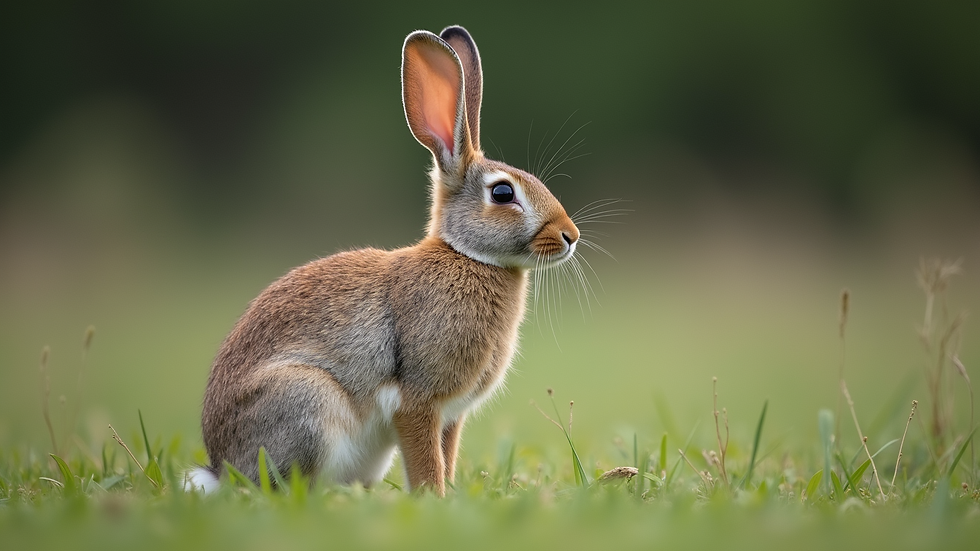
Flemish Giants are renowned for their size. They can grow to be as long as 2.5 feet and have a muscular build. Their fur is dense and comes in various colors, including gray, black, blue, and fawn.
Weight: Typically between 14 to 20 pounds.
Length: Can reach up to 30 inches.
Fur: Soft, dense, and available in multiple colors.
Temperament
One of the most appealing aspects of Flemish Giants is their temperament. They are known for being:
Gentle: They are calm and easygoing, making them great companions.
Affectionate: Many owners report that their Flemish Giants enjoy being petted and cuddled.
Intelligent: They can be trained to follow commands and perform tricks.
Flemish Giants as Pets
Ideal Family Pets
Flemish Giant rabbits make excellent pets for families. Their gentle nature makes them suitable for children, and they can adapt well to various living situations, including apartments and houses with yards. Here are some reasons why they are ideal family pets:
Social Creatures: They thrive on interaction and companionship.
Low Maintenance: While they do require care, they are relatively easy to manage compared to other pets.
Long Lifespan: With proper care, Flemish Giants can live up to 10 years or more.
Housing and Care
When considering a Flemish Giant as a pet, it's essential to provide a suitable living environment. Here are some key points to consider:
Space: They need ample space to move around. A large cage or a designated area in the house is ideal.
Bedding: Use soft bedding materials like hay or straw to keep them comfortable.
Diet: A balanced diet consisting of hay, fresh vegetables, and pellets is crucial for their health.

Flemish Giants as a Meat Source
Nutritional Value
Flemish Giant rabbits are not only popular as pets but also as a source of meat. They are known for their lean meat, which is high in protein and low in fat. Here are some nutritional benefits of Flemish Giant meat:
High Protein Content: Ideal for those looking to increase their protein intake.
Low Fat: A healthier alternative to traditional meats.
Versatile: Can be prepared in various ways, from roasting to stewing.
Ethical Considerations
Raising Flemish Giants for meat can be done ethically. Many breeders focus on humane practices, ensuring that the rabbits are well cared for throughout their lives. Here are some ethical considerations to keep in mind:
Humane Treatment: Ensure that the rabbits are raised in a stress-free environment.
Sustainable Practices: Consider breeding practices that promote sustainability and animal welfare.
Health Considerations for Flemish Giants
Common Health Issues
Like all breeds, Flemish Giants can be prone to specific health issues. Regular veterinary check-ups and proper care can help mitigate these risks. Common health concerns include:
Obesity: Due to their size, they can easily become overweight if not monitored.
Dental Problems: Their teeth grow continuously, so they need appropriate chew toys to prevent dental issues.
Respiratory Issues: Ensure proper ventilation in their living space to avoid respiratory problems.
Preventative Care
To keep your Flemish Giant healthy, consider the following preventative care tips:
Regular Vet Visits: Schedule annual check-ups to monitor their health.
Balanced Diet: Provide a diet rich in fiber and low in carbohydrates.
Exercise: Allow them ample time outside their enclosure to exercise and explore.
Training Your Flemish Giant
Basic Commands
Training a Flemish Giant can be a rewarding experience. They are intelligent and can learn basic commands. Here are some tips for training:
Positive Reinforcement: Use treats to reward good behavior.
Consistency: Be consistent with commands and training sessions.
Patience: Training takes time, so be patient with your rabbit.
Socialization
Socializing your Flemish Giant is crucial for their development. Here are some ways to help them socialize:
Introduce to Family Members: Allow them to meet different family members gradually.
Playtime: Spend time playing with them to build trust and confidence.
Other Pets: If you have other pets, introduce them slowly and monitor their interactions.
Conclusion
Flemish Giant rabbits are a unique blend of gentle temperament and impressive size, making them ideal choices for both pets and meat production. Whether you are considering adding one to your family or exploring the option of raising them for meat, understanding their needs and characteristics is essential. With proper care, these rabbits can thrive and bring joy to your life.
If you're ready to welcome a Flemish Giant into your home, ensure you are prepared for the commitment and care they require. Their affectionate nature and unique qualities will undoubtedly enrich your life.

Comments